
Dark Spots
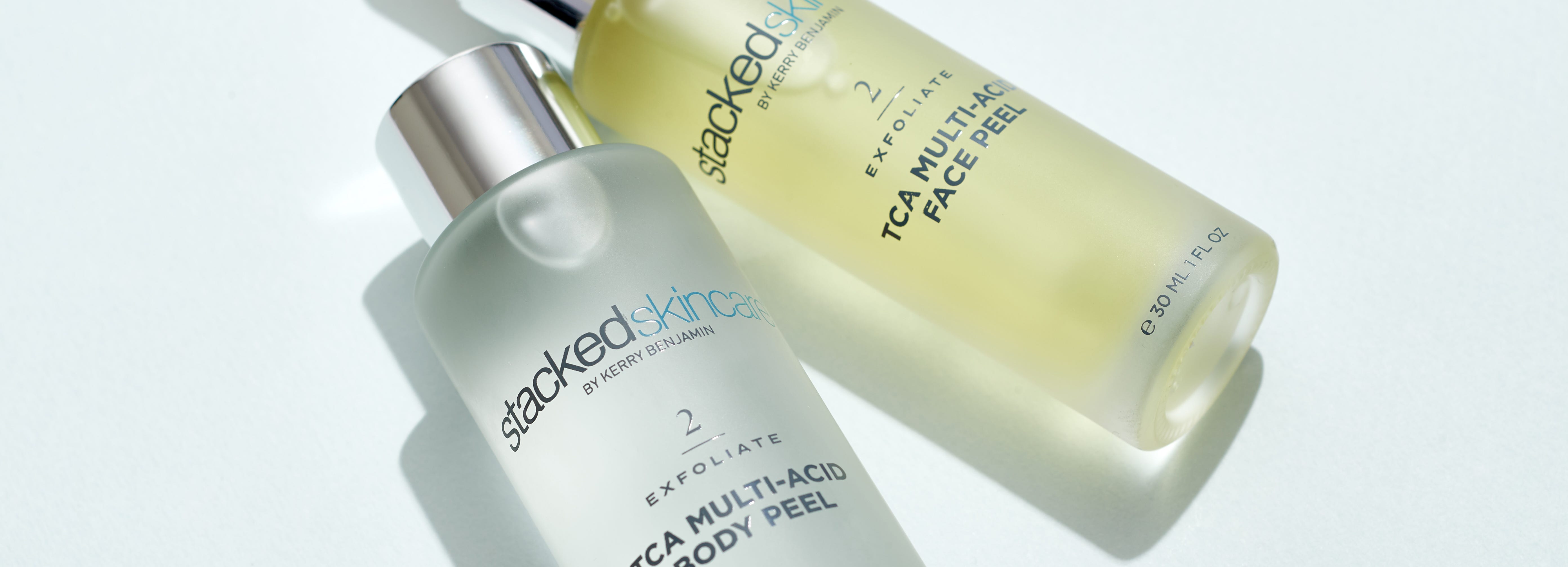
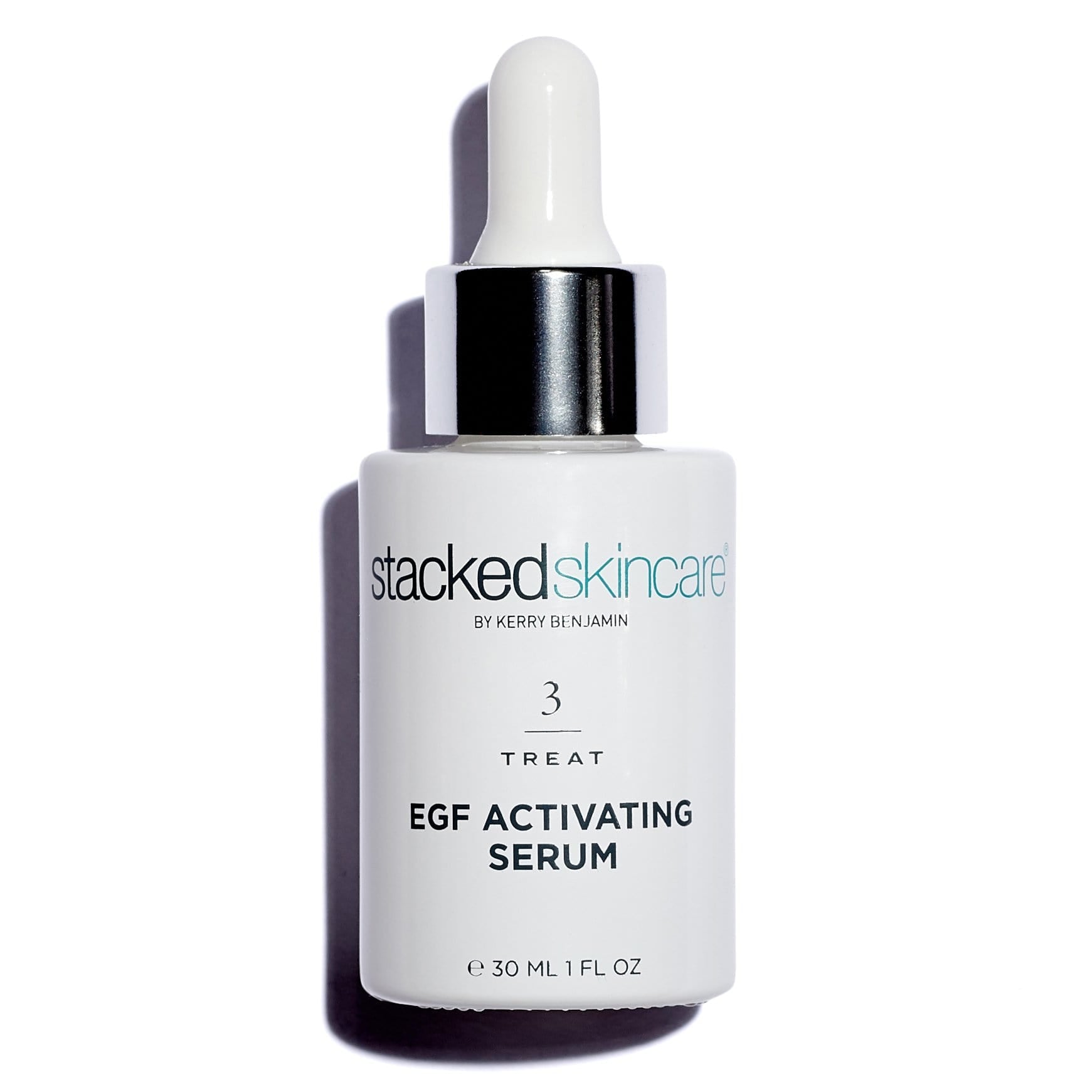
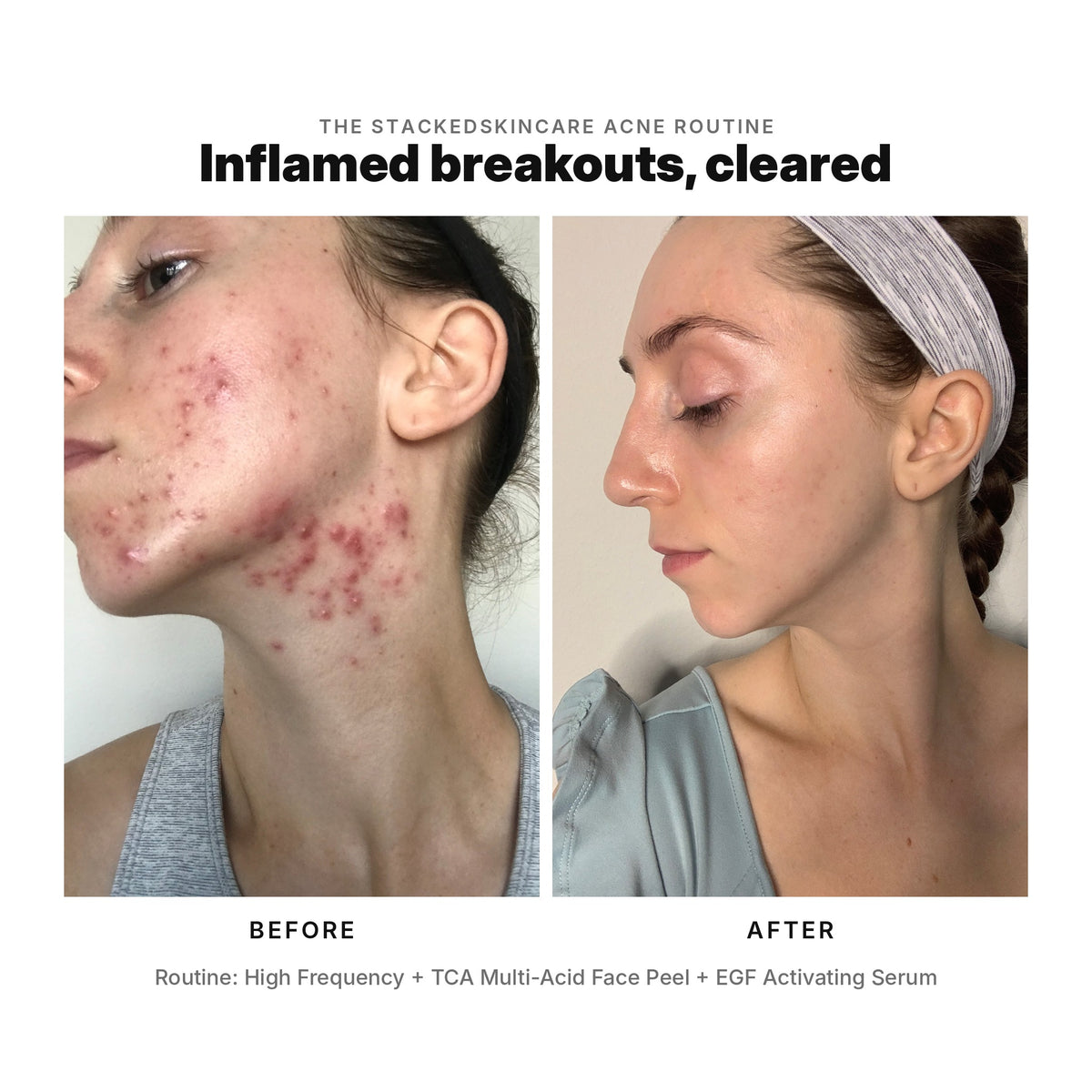
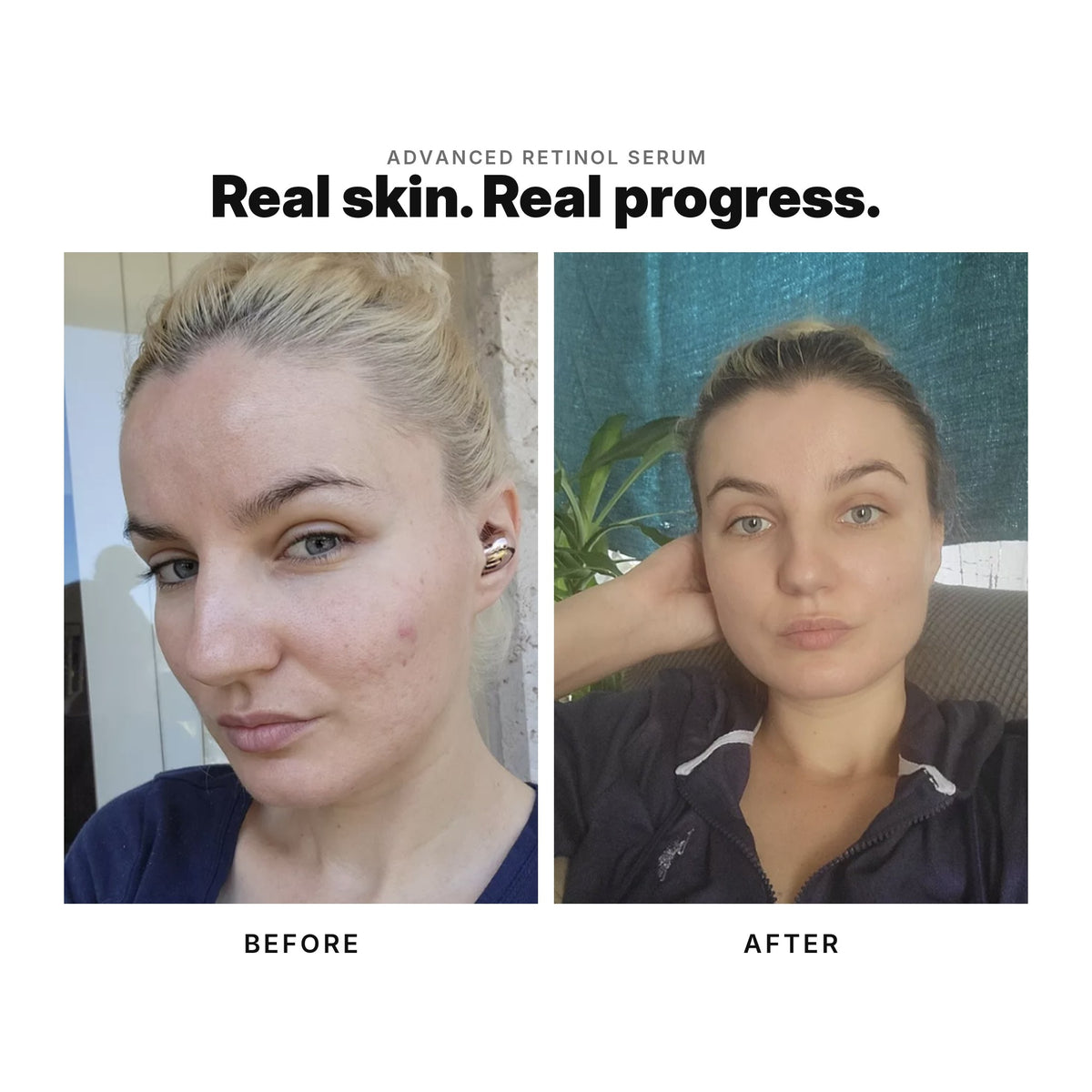
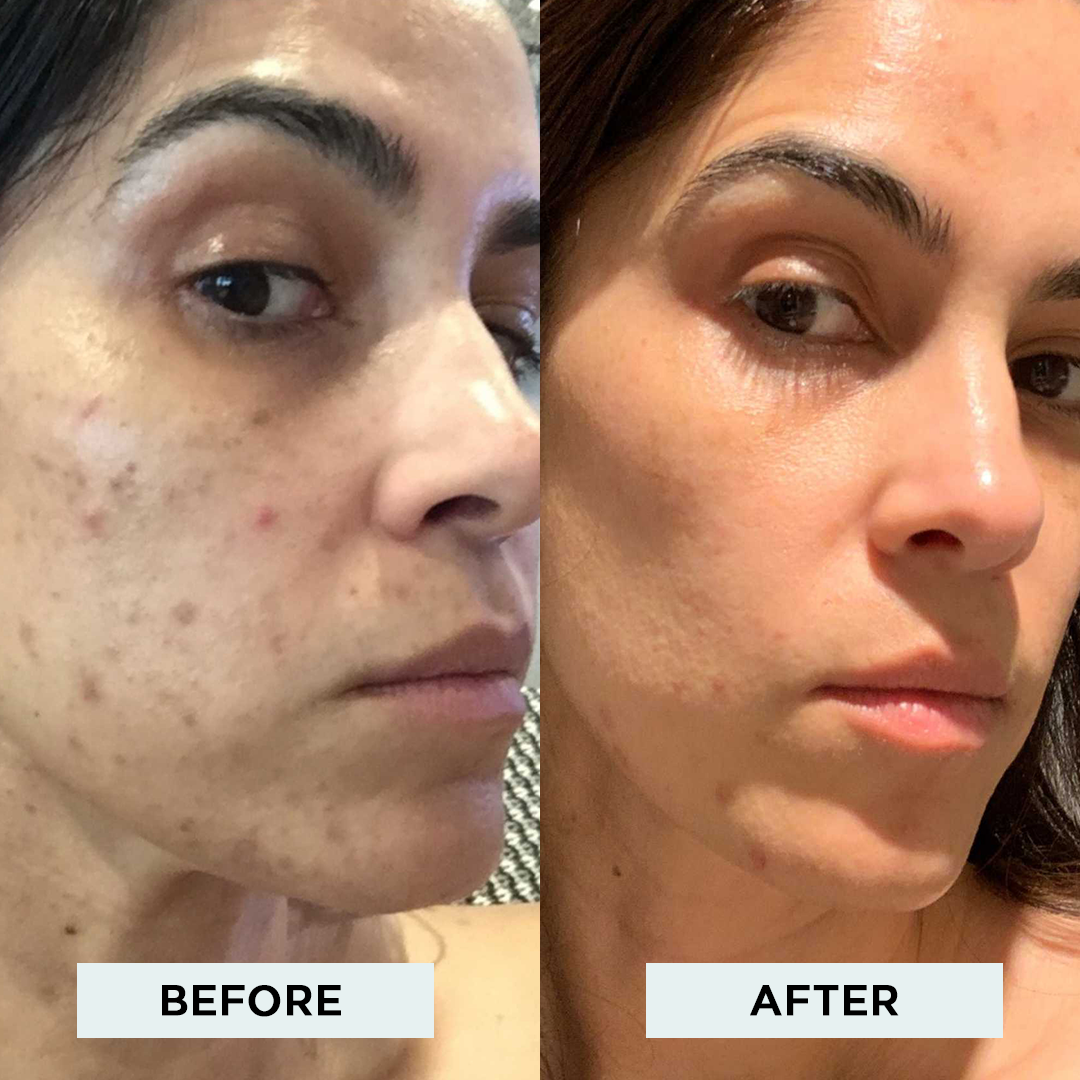
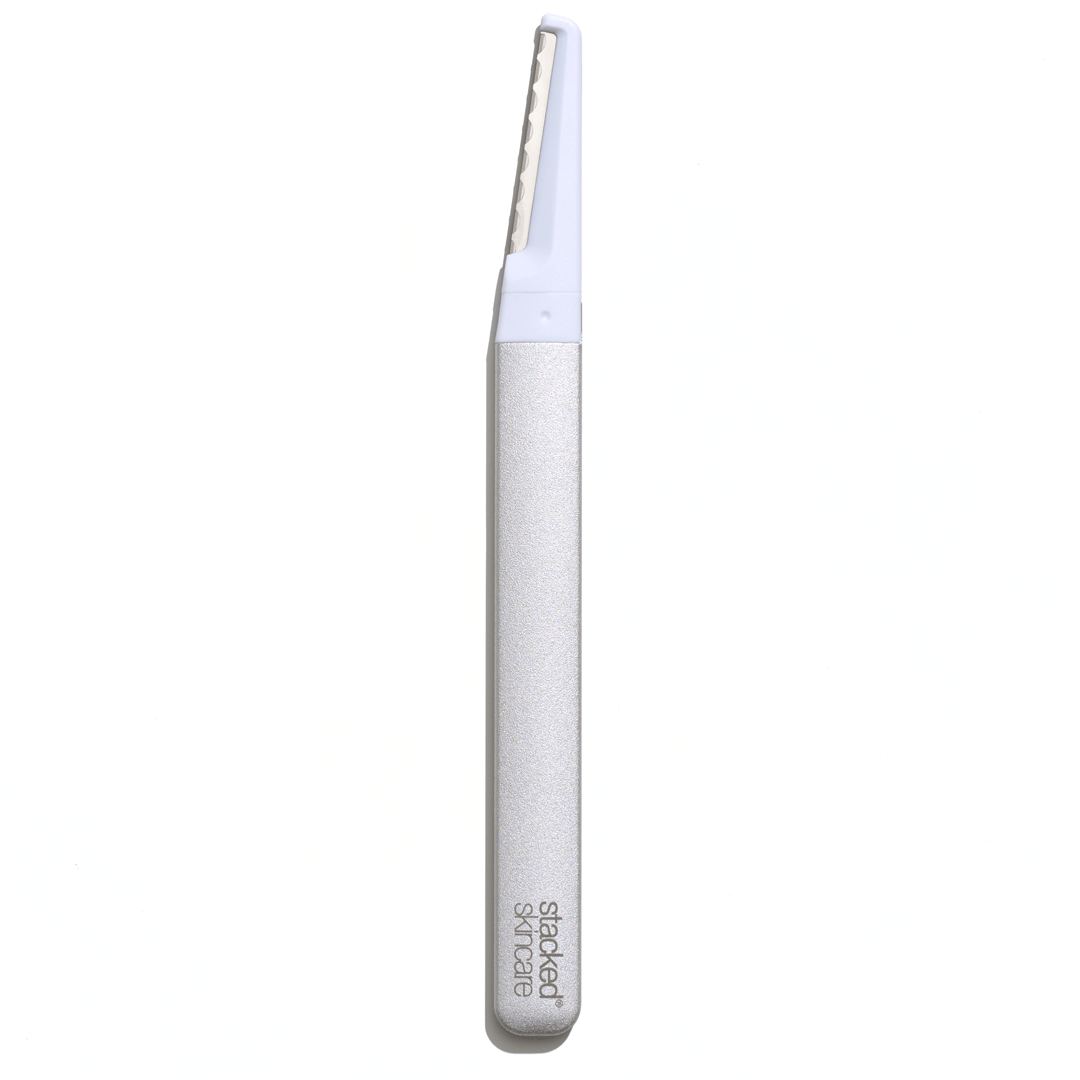
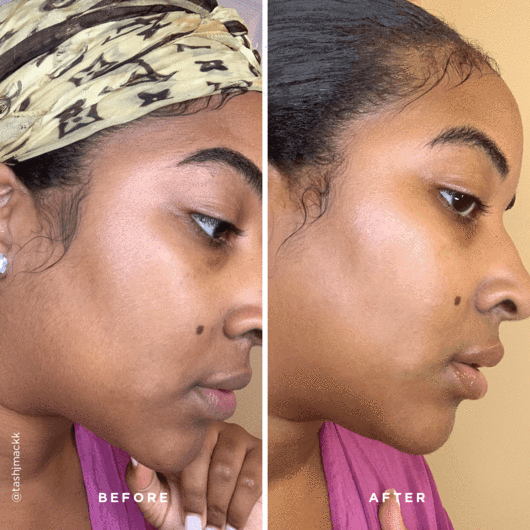
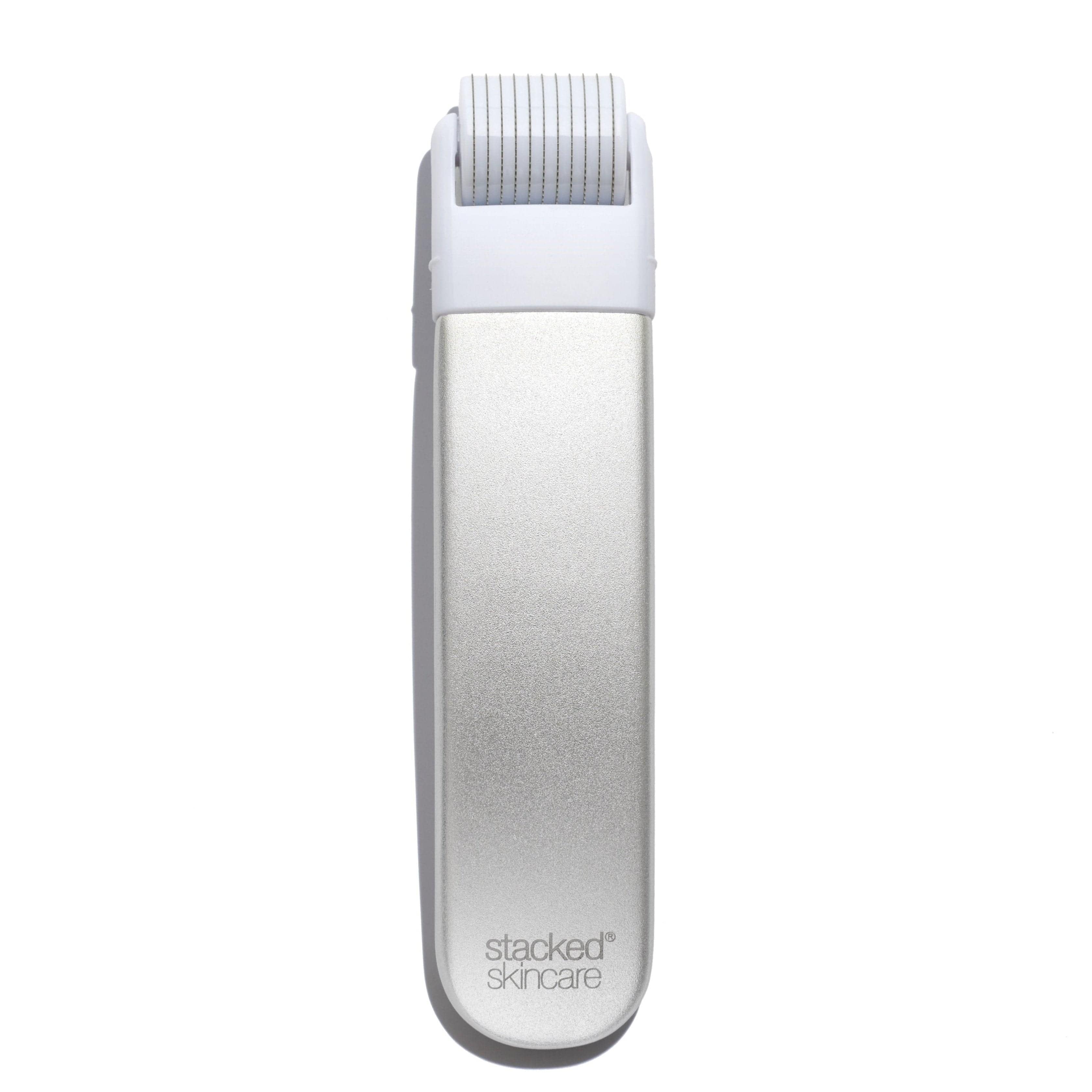
Dark spots fade faster when dead skin isn't in the way. Exfoliate with the Dermaplaning Tool and TCA Multi-Acid Face Peel, then treat with the EGF Activating Serum or Advanced Retinol Serum. The Microneedling Face Tool helps your peel and serum absorb deeper.


FAQs
What is Hyperpigmentation?
Hyperpigmentation is when certain areas of your skin become darker than your natural skin tone. This happens because your skin produces extra melanin, the pigment that gives your skin, hair, and eyes their color. These dark spots, or patches, can appear anywhere on your body, but they’re most common on the face, hands, and other areas exposed to the sun.
While hyperpigmentation isn’t usually harmful, it can be frustrating and affect your confidence. There are different types of hyperpigmentation, like melasma, sun spots, and post-inflammatory hyperpigmentation, each with its own causes and treatments.
Using hyperpigmentation treatments like serums and other targeted products can help lighten these dark patches. For stubborn spots, an at-home chemical peel may help exfoliate and fade discoloration more effectively.
What Causes Hyperpigmentation?
There are a few main reasons for hyperpigmentation. Sun exposure is a big one – UV rays can increase melanin production, causing dark spots over time. Hormonal changes, like those during pregnancy or from birth control pills, can also lead to hyperpigmentation, called melasma.
Skin injuries, like acne or cuts, can also leave behind dark spots or post-inflammatory hyperpigmentation (PIH) as they heal. In addition, certain medications and even genetics can make some people more prone to dark spots. If you struggle with recurring hyperpigmentation, using targeted hyperpigmentation products regularly can help prevent new spots from forming.
How Do I Get Rid of Hyperpigmentation?
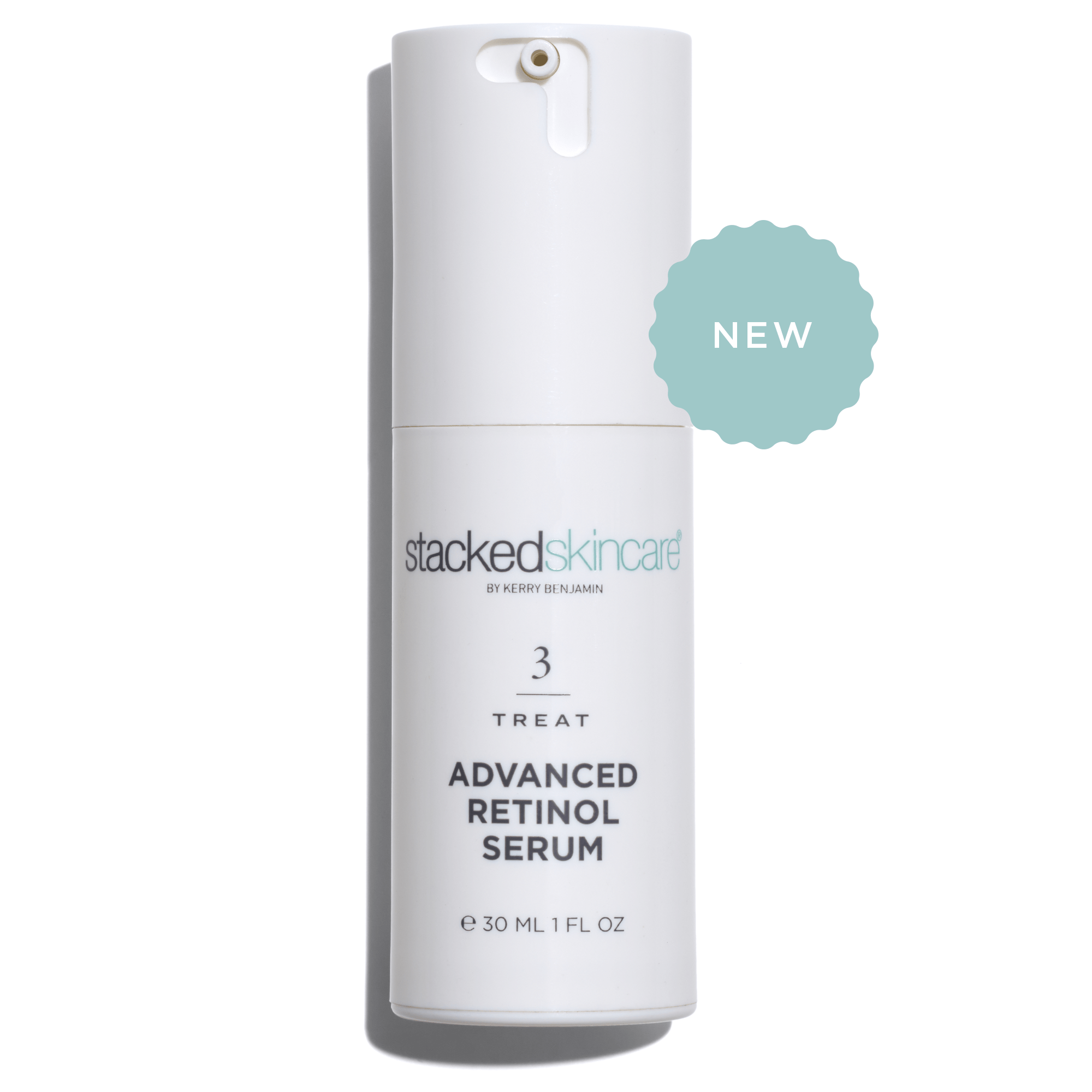
Fading hyperpigmentation takes consistency. Exfoliating with an at-home chemical peel a few times a week removes discolored surface cells and helps even out your skin tone. Follow with a serum like the Advanced Retinol Serum to keep fading spots over time. The Microbiome Moisturizer contains astaxanthin, an antioxidant that helps protect against the damage that leads to dark spots. Wear sunscreen every day, since sun exposure makes hyperpigmentation worse.
What is the Best Serum for Hyperpigmentation?
Look for a serum with retinol, which speeds up skin renewal so dark spots fade faster. Our Advanced Retinol Serum smooths texture and helps fade dark spots with consistent use. For best results, use it after exfoliating so it can absorb instead of sitting on top of dead skin.