
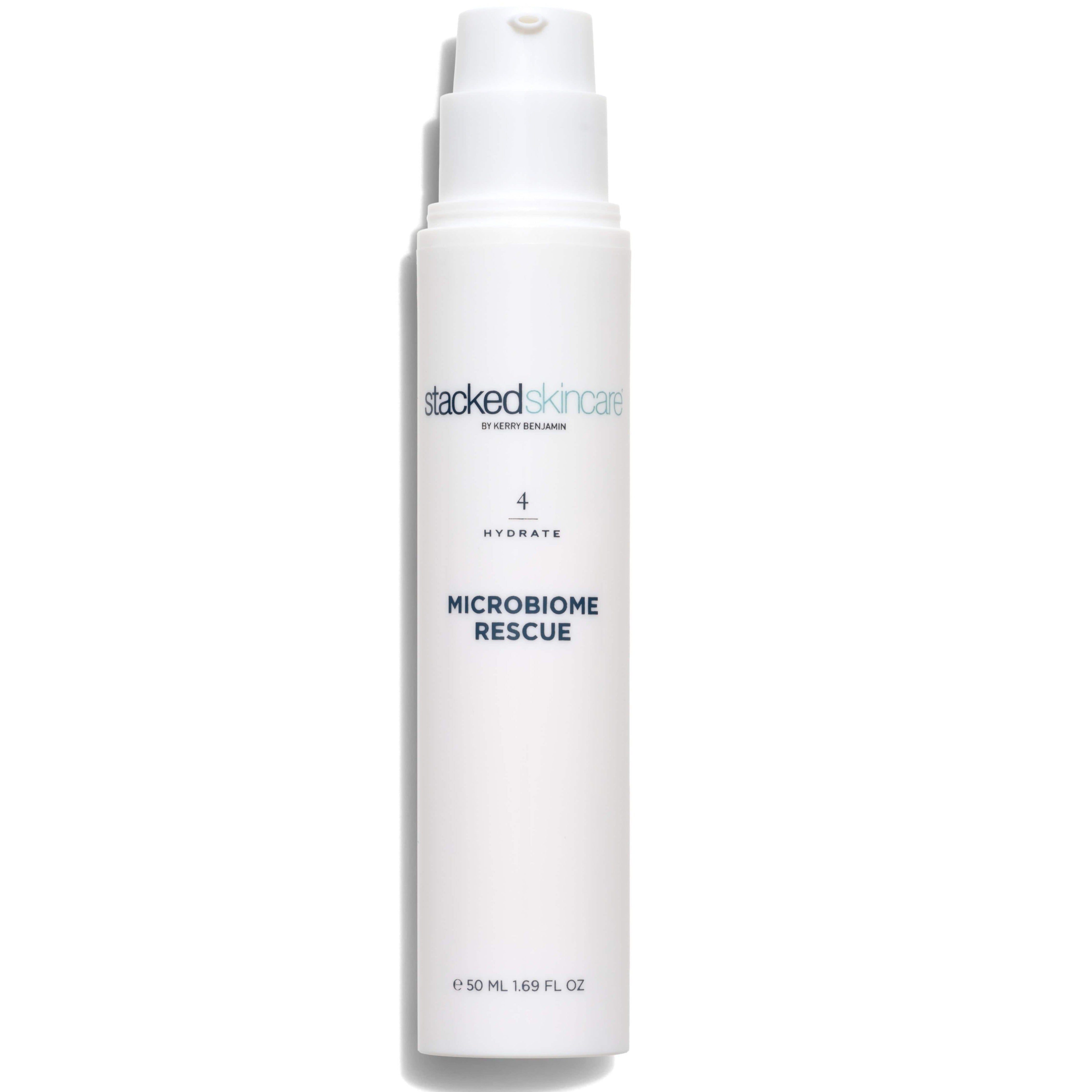
Microbiome Moisturizer

free u.s. shipping on orders over $75

30 day guarantee or your money back

developed by kerry founder + aesthetician
Choose options
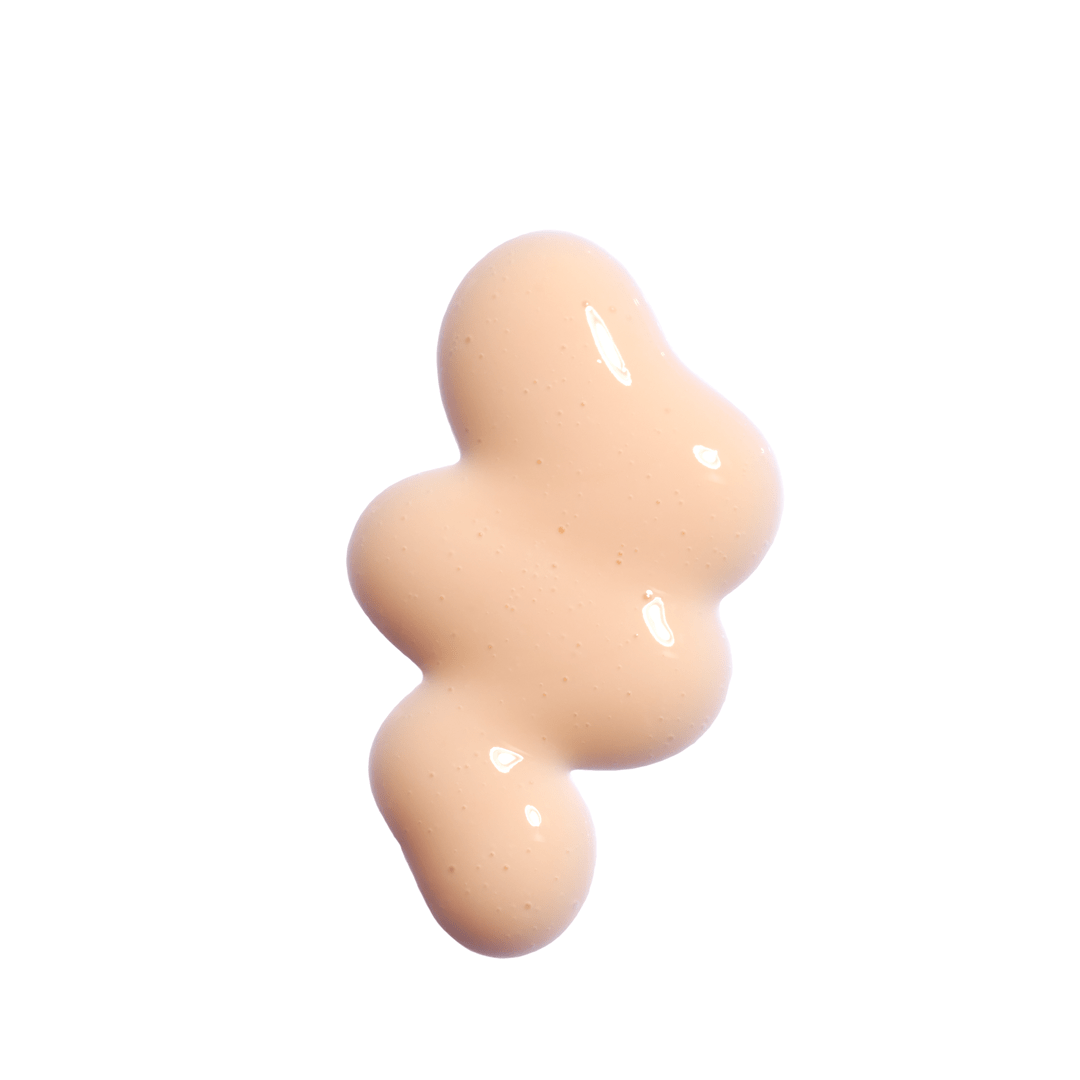
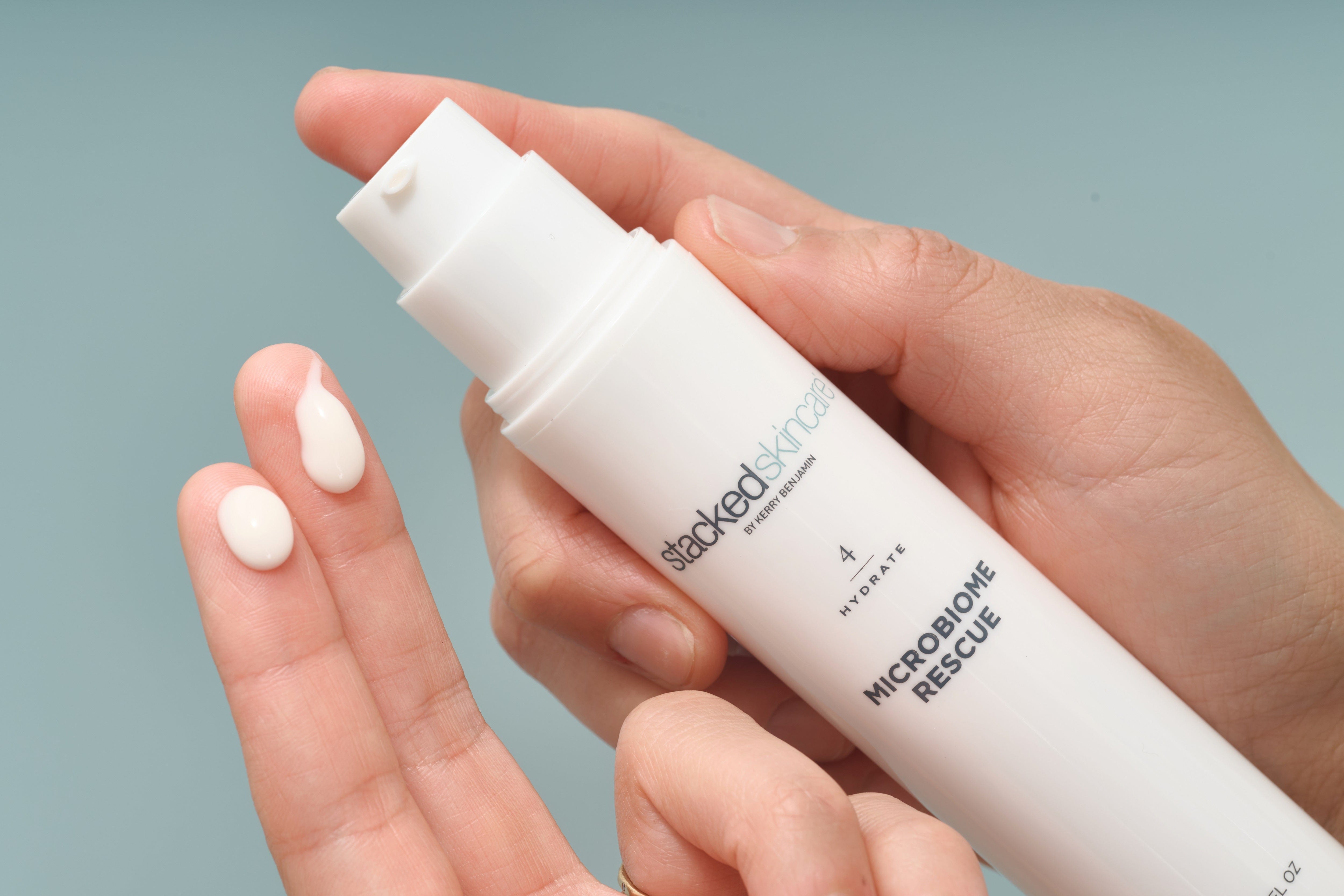
Ceramides, hyaluronic acid, antioxidants, and a prebiotic complex join forces in our microbiome moisturizer. Lightweight enough for daily use, it restores your skin's barrier function and nourishes its natural microbiome to boost overall skin health and vitality.
INGREDIENTS
PREBIOTIC COMPLEX
Polysaccharides derived from chicory root feed the skin’s good bacteria and fight bacteria that trigger breakouts and skin sensitivity.
ASTAXANTHIN
One of the world’s most powerful antioxidants, astaxanthin neutralizes free radicals from blue light to help minimize dark spots and UV/HEV-related damage.
CERAMIDE COMPLEX
A skin-identical lipid concentrate that restores skin barrier function to minimize redness and irritation while restoring skin softness and health.
Aqua, Propanediol, Squalane, Saccharide Isomerate, Cetearyl Alcohol, Glyceryl Stearate, Sodium Hyaluronate Crosspolymer, Ceteth-20, Coco-Caprylate, Isoamyl Laurate, Betaine, Ceramide Np, Ceramide Ap, Ceramide Eop, Pentylene Glycol, Pseudozyma Epicola/Apricot Kernel Oil/Olive Fruit Oil/Sunflower Seed Oil/Sweet Almond Oil/Angelica Gigas Root Extract Ferment Extract Filtrate, Inulin, Fructose, Sodium Polyacrylate, Phytosphingosine, Cholesterol, Crambe Abyssinica Seed Oil, Hydroxypropyl Starch Phosphate, Sodium Lauroyl Lactylate, Lauryl Glucoside, Haematococcus Pluvialis Extract, Astaxanthin, Caprylhydroxamic Acid, Glyceryl Caprylate, Glycerin, Sodium Phytate, Sodium Citrate, Citric Acid
SAFETY CONSIDERATIONS
Safe to use during pregnancy.
Before & Afters
Your questions, answered
-
What is the best way to prevent sun damage besides wearing sunscreen?
 Beyond sunscreen, avoid the sun during peak hours (roughly 10am–4pm), seek shade, and use protective gear like a wide-brimmed hat, sunglasses, and UPF clothing.

 "While it's really important to reapply your SPF every couple of hours while you're in the sun, the best prevention is going to be to just avoid the sun at the peak hours during the day, and opt for a hat and some shade."
 -
What formulas do sunscreens typically come in?
Sunscreens usually come as a lotion or a spray. Lotions generally give more even, reliable coverage, while sprays are convenient for reapplying.
"Sunscreens come in a couple of different formulas, typically either a lotion or a spray. You're always going to get a lot more coverage with a lotion, and I always recommend my clients to find the right lotion, whether it's physical or chemical, that's right for their skin type and their lifestyle."
-
Who are chemical sunscreens best for?
They can be a good option for people who are very active or sweating, since they're lightweight and absorb into the skin rather than sitting on top.
"Chemical sunscreens are going to be really beneficial for people that are really active and sweating."
-
Are chemical sunscreens good for sensitive or acne-prone skin?
Not always — chemical sunscreens can contain filters that may irritate or clog pores, so they aren't always the best choice for fair, sensitive, or acne-prone skin. A mineral formula is often gentler.
"They tend to be a little thinner and can sometimes have irritating and clog-clogging ingredients, so if you do have fair, sensitive, or acne-prone skin, these might not be the best for you."
-
How often should I reapply physical sunscreen?
Reapply every two hours, and more often if you're active, sweating, or in the water, since sunscreen wears off with activity.
"But if you're active and you tend to sweat a lot, or go into the water, you're going to want to reapply these every couple of hours because they do tend to wear off pretty easily."
-
Why is it beneficial to add an antioxidant to your sunscreen?
Antioxidants add a layer of protection by helping neutralize the free-radical damage UV exposure causes. Layering an antioxidant-rich product under your sunscreen boosts that defense — the StackedSkincare Microbiome Moisturizer contains astaxanthin, one of the most powerful antioxidants, along with ceramides and a prebiotic complex to support the skin barrier.
"Antioxidants are going to give you an additional layer of protection because they're going to fight free radical damage."
-
What SPF number is recommended for sunscreen?
Use a broad-spectrum sunscreen (protects against UVA and UVB) with an SPF of 30 to 50.
"You really need a sunscreen that's going to be between 30 and 50, and that's broad-band protection, which is going to be covering UVA, as well as UVB rays."
-
When should I apply chemical sunscreen before going outside?
Apply chemical sunscreen about 15–30 minutes before sun exposure so it has time to absorb and activate.
"But, just remember that you need to apply them 30 minutes before you go out in the sun to allow time for them to activate."
-
How do chemical sunscreens work?
They absorb into the skin and convert UV rays into heat, which is then released from the skin.
"Now, chemical sunscreens are actually absorbed into the skin, and the UV rays are converted into heat and then released."
-
What ingredients are in chemical sunscreens?
Chemical sunscreens use organic (carbon-based) filters such as avobenzone, octinoxate, octocrylene, and oxybenzone.
"Chemical sunscreens contain ingredients like avobenzone and oxybenzone."
-
Are physical sunscreens safe for acne-prone skin?
Yes — mineral sunscreens are generally a good choice for acne-prone and sensitive skin, as they're gentle and less likely to clog pores. Look for non-comedogenic formulas.
"They're great for acne-prone skin because they don't clog pores, and they're really great for fair and sensitive skin as well."
-
How do physical sunscreens protect the skin?
They sit on top of the skin and reflect and scatter UV rays, and they start protecting as soon as they're applied.
"They're going to sit on top of your skin and deflect the UV rays. The mineral ingredients in physical sunscreens work upon application, so you can go right out in the sun right after you apply it."
-
What ingredients are found in physical sunscreens?
Physical (mineral) sunscreens use mineral ingredients like zinc oxide and titanium dioxide.
"Physical sunscreens contain mineral ingredients like zinc oxide and titanium dioxide."
-
What are the different types of sun protection?
There are two main types: physical (mineral) sunscreens and chemical sunscreens. They protect the skin in different ways.
"There's two different types of sun protection. There's chemical and physical."
-
How much premature aging is caused by the sun?
Up to 90% of premature skin aging is caused by sun exposure, which is why daily sun protection is one of the most important anti-aging steps.
"Did you know that the sun is responsible for 90% of premature aging, and that melanoma is one of the most severe and aggressive forms of skin cancer?"